
Blockchain Beyond Cryptocurrency: Real-World Applications
June 12, 2026TOP 10 EMERGING TECHNOLOGIES THAT WILL SHAPE THE FUTURE
June 12, 2026
Introduction
Digital payments have transformed the way people buy goods, pay for services, and transfer money. With the increasing use of smartphones and internet banking, cashless transactions have become faster, more convenient, and widely accepted. As digital payment systems continue to grow, understanding their benefits and security practices is essential for both individuals and businesses.
What Are Digital Payments?
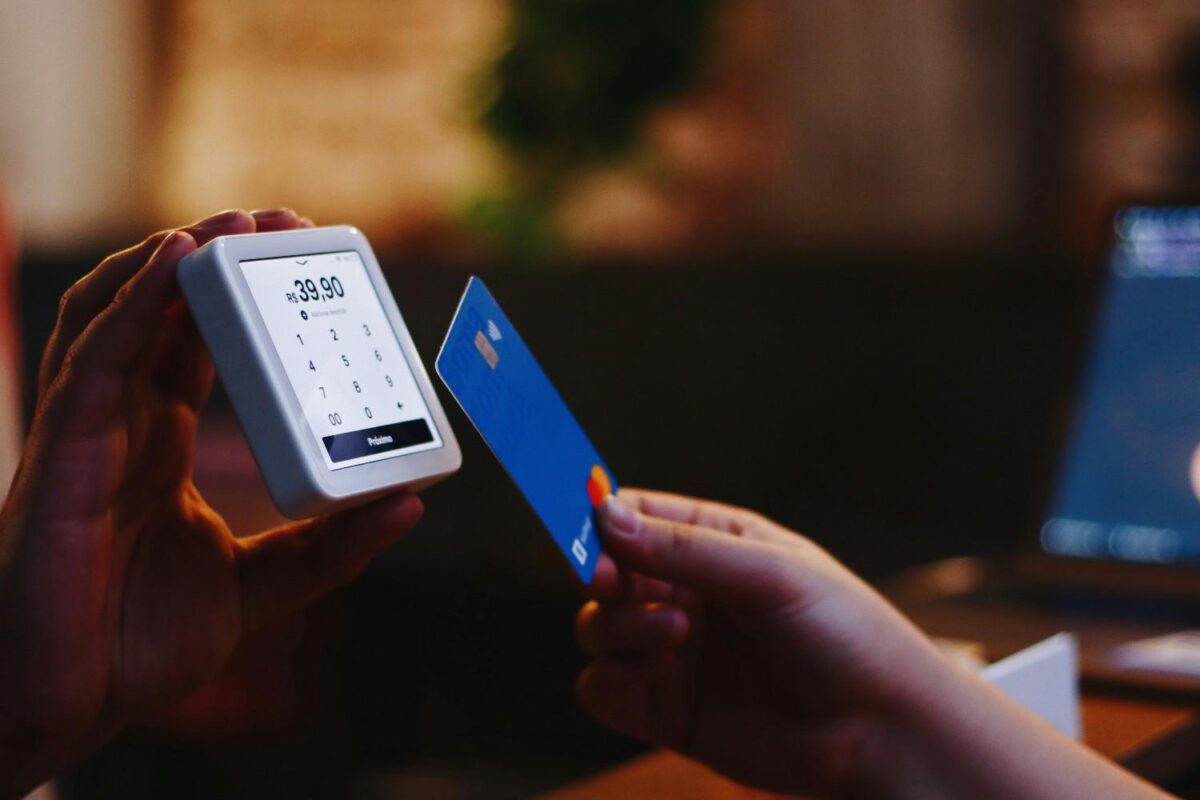
Digital payments are financial transactions made electronically without the use of physical cash. These transactions can be completed through mobile banking apps, online payment platforms, debit cards, credit cards, and digital wallets.
How Digital Payments Work
Digital payment systems securely transfer money between accounts using internet-connected devices and payment networks. Transactions are processed electronically, allowing users to send and receive money almost instantly.
Types of Digital Payments
1. Mobile Banking
Banks provide mobile applications that allow users to transfer funds, pay bills, and manage accounts from their smartphones.
2. Digital Wallets
Digital wallets store payment information securely and allow users to make purchases online and in stores.
3. Online Payment Platforms
Payment platforms enable individuals and businesses to send and receive money electronically.
4. Contactless Payments
Users can make payments by tapping a card or smartphone on a compatible payment terminal.
5. QR Code Payments
QR code technology allows customers to complete transactions quickly by scanning a code with their mobile devices.
Benefits of Digital Payments

Faster Transactions
Payments can be completed within seconds, reducing waiting times.
Improved Convenience
Users can make payments anytime and anywhere using connected devices.
Better Record Keeping
Digital transactions automatically generate records that help with financial tracking and budgeting.
Enhanced Business Efficiency
Businesses can process payments more quickly and reduce the costs associated with handling cash.
Financial Inclusion
Digital payment systems provide access to financial services for more people, especially in developing regions.
Security Tips for Digital Payments
Use Strong Passwords

Protect accounts with unique and secure passwords.
Enable Two-Factor Authentication
Add an extra layer of protection when accessing financial accounts.
Avoid Public Wi-Fi for Transactions
Use secure internet connections when making payments online.
Monitor Account Activity
Regularly review transactions to identify suspicious activity.
Keep Apps Updated
Install updates to benefit from the latest security improvements.
Challenges of Digital Payments
Although digital payments offer many advantages, users must remain aware of cybersecurity risks, fraud attempts, and data privacy concerns.
Conclusion
The rise of digital payments is changing the global financial landscape. By offering speed, convenience, and accessibility, digital payment systems are becoming an essential part of everyday life. Following proper security practices can help users enjoy these benefits while protecting their financial information.
