
How National Healthcare Policy Is Shifting Toward Prevention and Wellness
August 19, 2026Creating Accountable Institutions: Africa’s Progress in Anti-Corruption Frameworks
August 19, 2026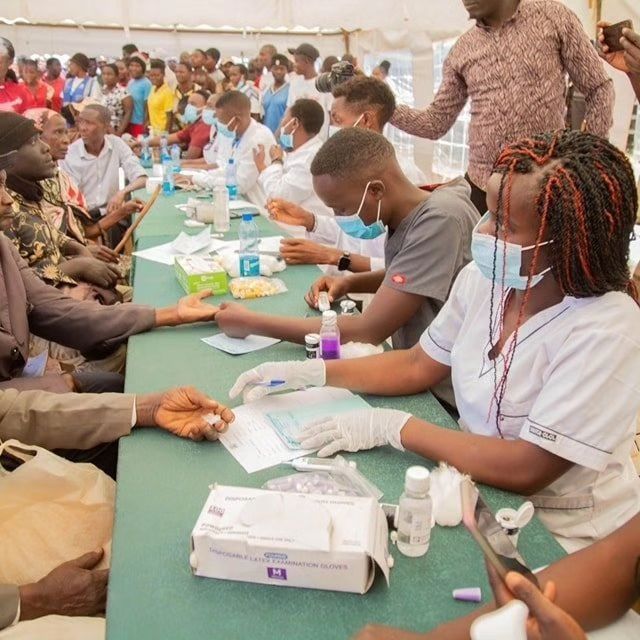
Community Health Centers: Making Healthcare Local
The foundation of primary healthcare is community health centers—facilities in communities where people can access basic healthcare. These centers do not require the infrastructure of hospitals. They can be staffed by nurses and health workers rather than doctors. They can provide prevention, basic diagnosis and treatment, referral for complex cases, and health education. When properly staffed and equipped, community health centers handle the vast majority of health problems people encounter. They reduce the burden on hospital systems. They save people travel time and cost. They enable healthcare to be person-centered rather than facility-centered. Yet many health systems have invested heavily in hospitals while neglecting community health centers, creating systems where simple care requires traveling to hospitals.
Staffing Challenges: Making Healthcare Available Where People Live
The biggest barrier to strong primary healthcare in developing regions is attracting health workers to rural and remote communities. Doctors prefer to live and work in cities. Nurses trained in cities are reluctant to move to communities where they lack modern amenities. The traditional approach of trying to send trained professionals to rural areas has limited success. The alternative is training and deploying health workers from the communities they serve. Community health workers do not need to be incentivized to live in their communities—they are already there. They understand local languages and cultures. They have community trust. Yet many health systems treat community health workers as inferior to doctors rather than as essential infrastructure. Building strong primary healthcare requires recognizing community health workers as central to the system and investing in their training and support.
Equipment and Supplies: Providing Tools for Effective Care
Primary healthcare centers need equipment and supplies to function. Basic diagnostic tools like thermometers, blood pressure cuffs, and scales are essential. Microscopes enable diagnosis of malaria and other parasites. Rapid test kits enable diagnosis of common infections. Medicines for common conditions must be available. When health centers lack these basic tools, they cannot provide effective care. Patients are referred to hospitals for problems that could be handled locally. Communities lack access to healthcare. Yet many health centers are starved for supplies and equipment. The problem is usually not lack of knowledge about what is needed but lack of funds or supply chain systems to ensure materials reach health centers. Solving this requires systems to forecast needs, procure supplies, and distribute them reliably to remote health centers.
Referral Systems: Connecting Community Care to Specialized Care
Primary healthcare cannot address all health problems. Complex cases require specialist care in hospital settings. An effective health system requires a functioning referral system where community health workers can refer patients to appropriate specialists and know that they will receive care. This requires communication systems so health workers can consult about complex cases. It requires transportation systems so patients can reach hospitals. It requires specialists willing to see referred patients. It requires feedback so community health workers know what happened. When referral systems work well, the health system functions as an integrated network. When referral systems are weak, community health workers feel unsupported and patients are denied appropriate care. Building effective primary healthcare therefore requires investing in referral systems that connect community providers to specialized care.
