
Infrastructure Governance: Building Systems That Last
August 18, 2026How National Healthcare Policy Is Shifting Toward Prevention and Wellness
August 19, 2026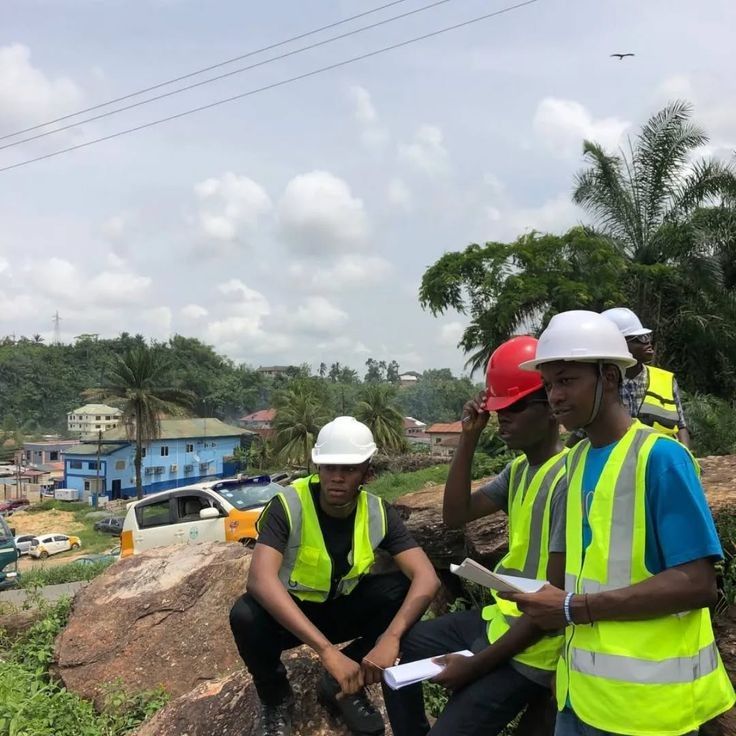
Dedicated Project Management Units: Bringing Expertise to Bear
Many African governments have created dedicated project management units tasked with delivering major infrastructure. These units attract capable project managers, engineers, and procurement specialists. They develop expertise in managing large, complex projects. They establish processes based on international best practices. They implement oversight systems that ensure quality. When these units work well, infrastructure delivery improves dramatically. Without dedicated project units, infrastructure management often falls to generalist government officials without specialized experience. The difference in effectiveness is substantial. Creating project management units as separate organizational entities removes infrastructure delivery from routine bureaucratic processes and places it in hands with relevant expertise.
Technology for Project Tracking and Management
Modern infrastructure projects use sophisticated project management software to track progress, identify delays before they become catastrophic, and coordinate across teams. GPS tracking shows equipment and worker locations in real-time. Project management software tracks tasks, schedules, and resource allocation. Quality control systems track test results and specifications compliance. Financial management systems track spending. Document management systems maintain records. When these systems work together, project managers have complete visibility into what is happening across large, complex projects. Problems become visible early. Corrective action can be taken before problems compound. This real-time visibility transforms project management from reactive problem-solving to proactive management.
Worker Training and Development: Building Capacity for Quality
Quality infrastructure requires skilled workers who understand their role and the importance of doing it correctly. A bridge built with workers who do not understand structural requirements might fail. A power plant built with workers who do not understand safety requirements might harm operators. Strong infrastructure delivery includes systematic training of workers. Training programs teach both technical skills and safety requirements. Safety culture is built through consistent emphasis on zero tolerance for dangerous practices. When workers are trained and valued, quality improves and accidents decrease. When workers are treated as interchangeable labor, quality suffers and accidents increase.
Schedule Management: Keeping Projects On Track
Infrastructure projects naturally face delays. Weather delays construction. Supply chain disruptions delay material delivery. Site conditions surprise teams. Design changes are necessary. The question is whether delays are managed or whether they compound. Skilled project managers build schedules with realistic timelines. They identify critical path activities—delays in these activities delay the entire project. They build contingency for predictable delays. They implement early warning systems to identify when delays might occur. When delays happen, they adjust schedules and reallocate resources rather than letting delays cascade. This active schedule management keeps projects moving forward even when challenges arise.
Financial Control: Preventing Waste and Ensuring Value
Large infrastructure projects handle enormous amounts of money, creating opportunities for corruption and waste. Strong financial control requires several elements. Expenditures must be transparent and auditable. Change orders must go through formal processes rather than being approved informally. Progress must be verified before payments are made. Bids must be competitive and verifiable. When financial controls are weak, money disappears without producing infrastructure. When controls are strong, money is spent on infrastructure rather than lining pockets. Strong financial control therefore directly determines whether infrastructure spending produces infrastructure or produces only contracts without results.
