
Strengthening Primary Healthcare: A Community-Centered Approach
August 19, 2026Whistleblower Protection: How Government Is Building Institutional Trust Through Transparency
August 19, 2026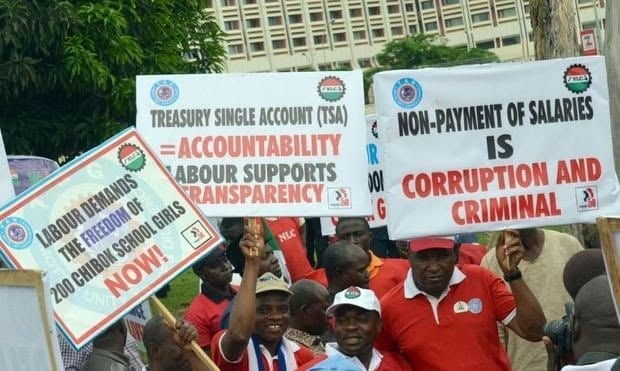
Legal Frameworks: Establishing Anti-Corruption Laws
Anti-corruption requires legal frameworks that clearly define corrupt conduct and establish punishment. Bribery laws that prohibit public officials from accepting benefits for official acts are essential. Conflict of interest laws that prevent officials from making decisions where they have financial interests are essential. Misappropriation laws that prohibit theft of public resources are essential. Money laundering laws that prevent corrupt officials from hiding stolen resources are essential. Without clear legal frameworks, prosecution of corruption is difficult. With clear laws, corrupt officials know they face serious consequences. Several African countries have enacted comprehensive anti-corruption laws that provide legal basis for enforcement. The quality and consistency of law enforcement determines whether legal frameworks translate into actual deterrence.
Independent Anti-Corruption Agencies: Enforcement and Investigation
Laws against corruption mean nothing if nobody enforces them. Many countries have created independent anti-corruption agencies tasked with investigating suspected corruption and referring cases to prosecutors. When these agencies are genuinely independent—not subject to political pressure—they create real consequences for corrupt officials. When agencies are politicized, they become tools for attacking opponents rather than addressing actual corruption. The difference between independent and politicized anti-corruption agencies is therefore crucial. An independent agency that prosecutes corruption by members of all parties credibly deters corruption. A politicized agency that prosecutes only opponents is counterproductive. Several African countries have created strong independent anti-corruption agencies that have genuinely reduced corruption. These agencies require strong leadership and protection from political interference.
Prosecution and Consequences: Making Corruption Costly
Anti-corruption requires not just investigation but prosecution and punishment. Corrupt officials must face consequences—they must be fired from government, prosecuted in court, and sometimes imprisoned. They must forfeit stolen resources. Without serious consequences, the deterrent effect is weak. When corrupt officials face real punishment, others consider the risk before engaging in corruption. When corrupt officials face minor punishment or escape punishment altogether, corruption flourishes. The . for many justice systems is that corruption prosecutions are complex and difficult. Evidence must be gathered carefully. Cases take years. High-level officials have resources to fight prosecution. Yet persistence in prosecuting corruption cases creates precedent that corruption has consequences. Several African countries have secured major corruption convictions in recent years, establishing that even high-level officials can be successfully prosecuted.
Transparency and Anti-Corruption: Sunlight as Preventive Medicine
Prevention is sometimes more effective than prosecution. Corrupt officials prefer to operate in darkness. When their actions are visible and subject to scrutiny, corruption becomes risky. Transparency measures like public declaration of assets force officials to report their wealth. If wealth grows implausibly while salaries are modest, questions arise. Freedom of information laws enable journalists and civil society to investigate possible corruption. Budget transparency enables detection of missing funds. Procurement transparency enables detection of inflated contracts. When multiple transparency measures work together, corruption becomes visible and prosecutable. Beyond enabling prosecution, transparency serves a preventive function—officials know their actions are subject to scrutiny and refrain from corrupt behavior.
Civil Society and Media: Building Social Accountability
Formal anti-corruption systems are necessary but insufficient. Complementing formal systems, civil society organizations and journalists create accountability by investigating and exposing corruption. Journalists who publish investigations of corrupt practices face reputational costs for officials. Civil society organizations that document corruption and demand accountability create political pressure. When civil society and media are active and free, corrupt officials face consequences even beyond legal prosecution—damage to reputation, loss of public support, political pressure from civil society. Governments that support rather than suppress civil society and media create additional accountability mechanisms beyond formal anti-corruption institutions. This creates a comprehensive accountability ecosystem where corruption faces multiple consequences.
