
How Digital Tools Are Transforming Public Service Delivery Across Africa
July 24, 2026The Citizen’s Guide to Understanding Government Budget Allocation and Priority Setting
July 27, 2026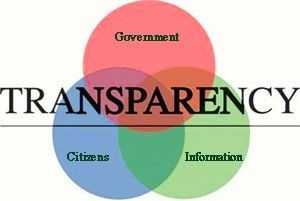
The Components of Real Transparency
Transparency is not a single thing but a system of interconnected practices. It includes budget transparency—citizens can see how public money is collected and spent. It includes decision transparency—people can understand how and why government makes the decisions it makes. It includes personnel transparency—officials’ roles, qualifications, and performance are public knowledge. It includes procurement transparency—the process by which government buys goods and services is visible and competitive. It includes data transparency—government information is publicly accessible.
When all these dimensions operate together, they create genuine transparency. When any of them is missing, gaps remain where corruption and mismanagement can hide. The most effective transparency frameworks address all these dimensions systematically rather than treating transparency as a single initiative.
Budget Transparency: Citizens Understanding Public Finance
Budget transparency is perhaps the most important and most powerful form of government transparency. Governments collect money through taxes and other revenue sources, and that money belongs to the public. Transparency about how that money is collected and spent is therefore a fundamental right.
When citizens can see the budget, they understand what government priorities actually are—not what leaders claim they are, but what the allocation of resources reveals. Citizens can ask hard questions: Why does the military budget dwarf spending on education? Why are rural areas underfunded relative to urban centers? Why are certain regions favored while others are neglected?
These questions, when asked by informed citizens, create pressure for more equitable and sensible spending. Budget transparency is not just about discovering problems—it drives reform by creating visibility into resource allocation. Countries that have implemented robust budget transparency report measurable improvements in spending priorities and reduced misappropriation.
Open Data: Making Government Information Accessible
Government collects enormous amounts of information—about health, education, infrastructure, employment, crime, environmental conditions, and countless other topics. Much of this information is valuable not just to government but to researchers, journalists, civil society organizations, and citizens trying to understand their communities.
When government keeps this data secret, value is lost and opportunities for improvement are missed. When government makes data openly available in accessible formats, it creates conditions for genuine public understanding and external analysis.
Journalists can investigate patterns that government might prefer to hide. Researchers can identify problems before they become crises. Businesses can make better decisions. Citizens can hold government accountable based on facts rather than speculation.
Open data initiatives are spreading across the continent, and they are proving transformative in how they enable genuine accountability and citizen engagement.
Decision Transparency: Understanding How Choices Are Made
Citizens have the right to understand not just what government decides but how those decisions are made. Why was this contractor chosen over others? Why was this policy adopted rather than alternatives? Why are resources being directed to this region rather than that one?
Decision transparency requires that decision-making processes be documented and accessible. Meeting minutes should be public. Reasoning behind major decisions should be explained. Alternatives considered should be disclosed.
When decision-making is transparent, citizens can evaluate whether decisions were made on sound grounds or based on improper considerations. This transparency creates pressure for better decision-making because officials know their reasoning will face public scrutiny.
The shift from secret deliberations to transparent decision-making represents a fundamental democratization of governance.
Transparency and Anti-Corruption: Making Misconduct Visible
Corruption thrives in secrecy. When officials know their actions are visible and will be scrutinized by the public, they face real consequences for misconduct. Transparency removes the most valuable protection corruption has: invisibility.
Studies across multiple countries show a strong correlation between transparency initiatives and reduced corruption. Government officials know that corrupt behavior, when discovered, will be visible to their superiors, to the public, and to enforcement authorities.
This visibility creates a powerful deterrent. It is not a perfect solution—determined corrupt officials can still find ways to misbehave—but it dramatically raises the cost of corruption and shifts the incentive structure in favor of honest conduct.
Transparency works best when combined with legal frameworks that punish discovered corruption, creating a comprehensive accountability system.
Building Trust Through Consistency and Follow-Through
Transparency initiatives often fail because they are introduced but not sustained. A government publishes budget information one year, then stops. Data is released but quickly becomes outdated. Promises of transparency are made during elections but abandoned once officials take office.
Real transparency requires sustained commitment. It requires making transparency a normal, continuing practice rather than a one-time announcement.
When governments commit to ongoing transparency—regular budget releases, continuous data updates, systematic disclosure processes—they build the consistency that generates genuine trust. Citizens come to expect and rely on transparency. It becomes embedded in institutional practice.
This consistency is what transforms transparency from a cosmetic initiative into a real change in how government operates. Sustained transparency builds institutional credibility over time in ways that no single initiative can achieve.
