
The Participation Economy and Nigeria’s Demographic Dividend
July 23, 2026How Digital Tools Are Transforming Public Service Delivery Across Africa
July 24, 2026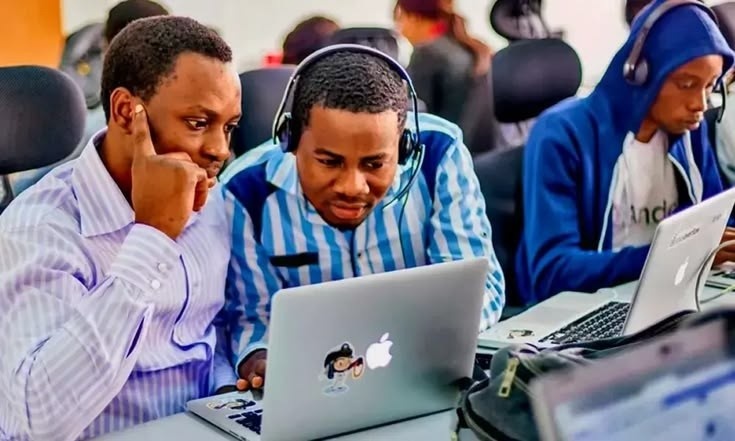
The Tyranny of Required Capital
For many young Nigerians, the requirement of capital is the single greatest barrier to economic advancement. Starting almost any traditional business requires money, for premises, stock, equipment, or initial costs. Acquiring income-generating assets requires money to buy them. Accessing many opportunities requires money upfront. For young people without savings, inheritance, or access to credit, these capital requirements place a wide range of opportunities permanently out of reach, regardless of their talent or determination.
This tyranny of required capital is deeply unjust and economically wasteful. It means that opportunity is rationed not by ability or effort but by access to money, which is often a matter of family background and circumstance rather than merit. Talented, hardworking young people are locked out of advancement simply because they lack starting capital, while their potential goes unrealised. Breaking this barrier, finding ways for young people to build economic security without requiring upfront capital, is therefore a crucial goal for inclusive economic reform.
Participation as an Alternative to Capital
Digital participation platforms offer a powerful alternative to the capital requirement. On a platform like SINNTS, what a young person needs to begin participating and building economic value is not money but engagement, effort, and access to the platform. The barrier to entry is dramatically lower than that of traditional capital-intensive opportunities. This means that young people without capital, who would be excluded from many traditional opportunities, can nonetheless participate and begin building economic security.
This substitution of participation for capital is transformative. It changes the basis on which opportunity is accessed, from money, which many young people lack, to participation and effort, which they can provide. By lowering the barrier from capital to participation, platforms open economic opportunity to a vastly wider range of young people. For those who have been locked out by the capital requirement, this represents a genuine breakthrough, a way to begin building economic security through their own effort rather than through money they do not have.
Building From Effort and Engagement
On participation platforms, economic value is built through effort and engagement rather than through the deployment of capital. A young person participates, contributes, and engages, and through this activity builds value over time. This model rewards the things that young people can offer, their energy, time, capability, and commitment, rather than requiring the money they lack. It turns effort and engagement into the currency of opportunity, a currency that is far more equally distributed than financial capital.
This effort-based model of building economic security is particularly well suited to young people. The young typically have an abundance of energy, time, and capability, even when they lack money. A model that allows these abundant resources to be translated into economic value plays to the strengths of the young generation. By building from effort and engagement rather than capital, young Nigerians can begin to accumulate economic security and assets, gradually breaking free from the cycle that has trapped them and building toward a more prosperous future.
Accumulating Assets Over Time
While participation platforms allow young people to begin without capital, the value they help build can, over time, become a form of capital in itself. The income earned through participation can be saved and accumulated. The skills, networks, and reputation developed become valuable assets. The economic security built provides a foundation for further advancement. In this way, participation can help young people break the vicious cycle, starting without capital but gradually accumulating the resources and assets that open further opportunities.
This dynamic is crucial for genuine economic advancement. A model that merely provides a little income without enabling accumulation would offer limited long-term benefit. But a model that allows young people to start without capital and then accumulate resources and assets over time offers a real path out of the trap. By enabling this accumulation, participation platforms can help young Nigerians not just to survive but to build, gradually transforming their economic circumstances and creating the foundation for lasting security and prosperity. This developmental potential is among the most valuable aspects of the participation model.
A More Inclusive Foundation for Prosperity
The ability to build economic security without requiring upfront capital represents a more inclusive foundation for prosperity, one of the central aspirations of economic reform. In an economy where opportunity depends on capital, prosperity is largely confined to those who already have money, perpetuating inequality and excluding the many. In an economy where opportunity can be accessed through participation and effort, prosperity becomes available to a far wider range of people, including those starting with nothing.
This more inclusive foundation is exactly what reform-minded Nigerians seek to build. An economy that allows young people to build security and prosperity through their own effort, regardless of their starting capital, is fairer, more dynamic, and more prosperous than one that rations opportunity by wealth. Participation platforms like SINNTS contribute to building this inclusive foundation, demonstrating how the capital barrier can be overcome through innovative approaches. For Nigeria’s young people, and for the reformers championing their cause, this represents a hopeful path toward a more inclusive and prosperous future, one built on effort and participation rather than the accident of inherited wealth.
