How Machine Learning Is Changing Industries and Creating New Opportunities
June 11, 2026The Future of Remote Work: Technology to Watch
June 11, 2026Introduction
Technology is evolving at an unprecedented pace, transforming the way people live, work, communicate, and solve global challenges. Innovations that once seemed like science fiction are rapidly becoming part of everyday life. As we move further into 2026, several emerging technologies are driving this transformation and creating new opportunities across industries.
From artificial intelligence and quantum computing to advanced biotechnology and renewable energy solutions, these technologies are expected to reshape economies, improve quality of life, and influence the future of humanity. Understanding these trends is essential for businesses, students, researchers, and entrepreneurs who want to stay ahead in a rapidly changing world.
1. Artificial Intelligence (AI)
Artificial Intelligence continues to lead technological innovation worldwide. AI systems can analyze vast amounts of data, automate tasks, generate content, and support decision-making processes.
Key Applications
Virtual assistants
Healthcare diagnostics
Customer service automation
Predictive analytics
Autonomous systems
Future Impact
AI is expected to become more integrated into daily life, helping organizations improve efficiency and create innovative products and services.
2. Quantum Computing
Quantum computing has the potential to solve complex problems far beyond the capabilities of traditional computers.
Key Applications
Drug discovery
Financial modeling
Cryptography
Climate simulations
Scientific research
Future Impact
As quantum computers become more practical, they could revolutionize industries that depend on large-scale computations.
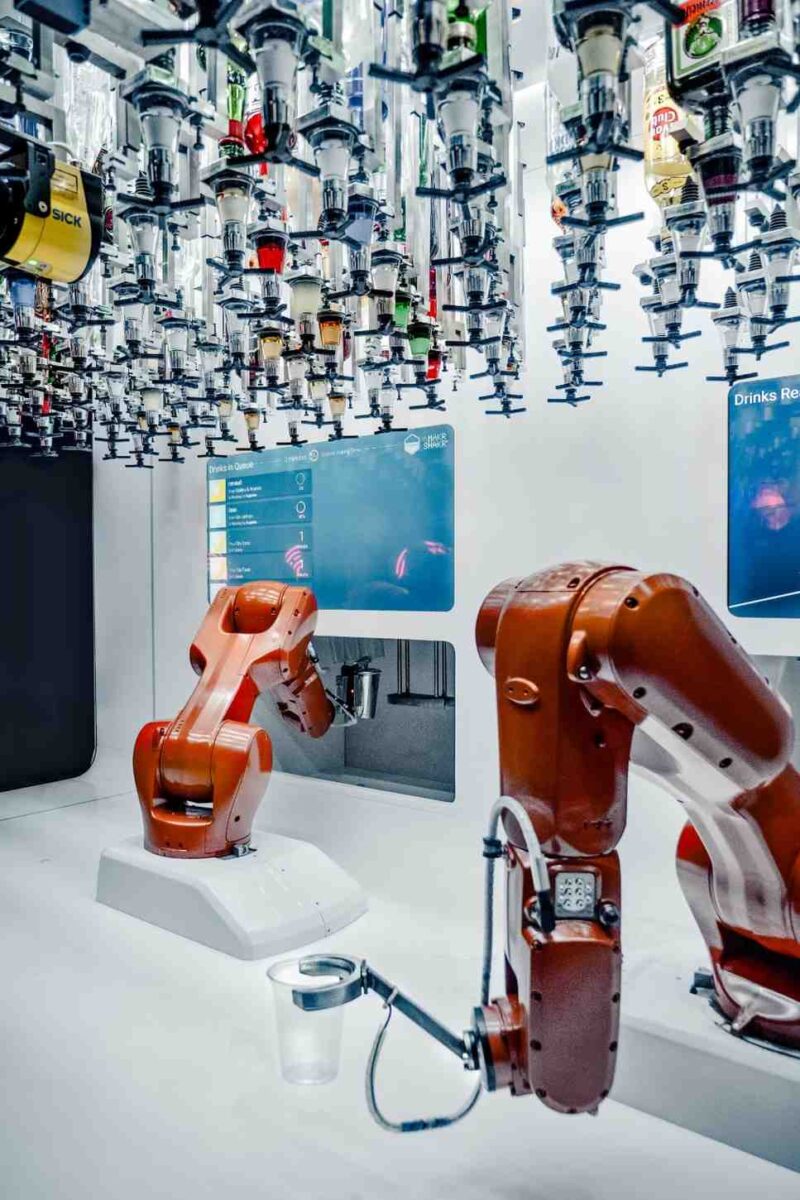
3. Robotics and Automation
Modern robots are becoming smarter, more flexible, and capable of performing increasingly complex tasks.
Key Applications
Manufacturing
Healthcare assistance
Warehousing
Agriculture
Logistics
Future Impact
Robotics will continue to improve productivity while helping organizations address labor shortages and operational challenges.
4. Internet of Things (IoT)
The Internet of Things connects physical devices to the internet, enabling them to collect and exchange data.
Key Applications
Smart homes
Smart cities Industrial monitoring
Healthcare devices
Environmental tracking
Future Impact
IoT will create more connected and efficient environments, improving convenience and resource management.

5. Biotechnology
Biotechnology combines biology and technology to improve healthcare, agriculture, and environmental sustainability.
Key Applications
Gene editing
Personalized medicine
Disease prevention
Agricultural improvements
Bio-based materials
Future Impact
Biotechnology could significantly extend human health and improve food production systems.
6. Renewable Energy Technologies
The demand for clean and sustainable energy continues to drive innovation in renewable energy technologies.
Key Applications
Solar power
Wind energy
Energy storage systems
Green hydrogenSmart gridsFuture ImpactRenewable energy will play a crucial role in reducing carbon emissions and combating climate change.
7. 5G and Advanced Connectivity
5G networks provide faster internet speeds, lower latency, and greater connectivity than previous generations.
Key Applications
Smart cities Autonomous vehicles
Remote healthcare industrial automation
Virtual reality
Future Impact
Improved connectivity will support the growth of many other emerging technologies.
8. Extended Reality (XR)
Extended Reality includes Virtual Reality (VR), Augmented Reality (AR), and Mixed Reality (MR).
Key Applications
Education and training
Gaming and entertainment
Remote collaboration
Healthcare simulations
Product design
Future Impact
XR technologies are expected to transform how people learn, work, and interact with digital content.
9. Blockchain Technology
Blockchain provides secure and transparent methods for recording and verifying transactions.
Key Applications
Digital identity
Supply chain management
Financial services
Smart contracts
Data security
Future Impact
Blockchain could improve trust, transparency, and efficiency across multiple industries.
10. Space Technology
Advancements in space technology are accelerating exploration and commercial opportunities beyond Earth.
Key Applications
Satellite communications
Earth observation
Space tourism
Scientific research
Resource exploration
Future Impact
Space technology may unlock new economic opportunities while expanding humanity’s understanding of the universe.
Why Emerging Technologies Matter
Emerging technologies are not only changing industries but also creating new careers, businesses, and solutions to global challenges. Organizations that embrace innovation can gain competitive advantages, improve efficiency, and better serve their customers.
Students and professionals who develop skills related to these technologies will be well-positioned for future opportunities in the digital economy.
Challenges to Adoption
Despite their potential, emerging technologies face several obstacles:
High development costs
Cybersecurity risks
Ethical concerns
Regulatory challenges
Skills shortages
Addressing these challenges will be essential for maximizing the benefits of technological innovation.
Conclusion
The future will be shaped by a combination of powerful emerging technologies that are transforming industries and redefining possibilities. From artificial intelligence and quantum computing to biotechnology and renewable energy, these innovations are creating opportunities for growth, sustainability, and scientific advancement.
Understanding and adapting to these technologies will help individuals and organizations remain competitive in an increasingly digital world. As innovation continues to accelerate, the technologies emerging today will become the foundations of tomorrow’s society.